 Skip to content


Animal osteopathy
in Montpellier
Exceptional closure for medical reasons until January 3, 2027.
Thank you for your understanding!
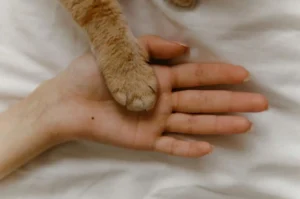
Animal osteopathy is a manual therapy aimed at releasing muscular, osteoarticular, and visceral blockages. Through gentle manipulation, it restores the body’s normal function and enables self-healing. Many species are highly receptive to it, including dogs, cats, rabbits, horses, and more. It works alongside your primary veterinarian’s care to provide a comprehensive, synergistic approach to your animal’s health.
What are the indications for animal osteopathy?
Chronic conditions
Just like in humans, an osteopathic consultation can be beneficial for a wide range of chronic issues in animals, including:
Musculoskeletal pain: lameness, osteoarthritis, mobility issues, difficulty standing up, back pain…
Digestive issues: chronic vomiting or diarrhea, bloating…
Urinary issues: chronic cystitis, kidney failure…
Respiratory issues: breathing difficulties, asthma…
Prevention
Osteopathy is also highly effective for boosting an animal’s general health and well-being:
In senior animals: to restore mobility to organs and joints, supporting the body against age-related conditions.
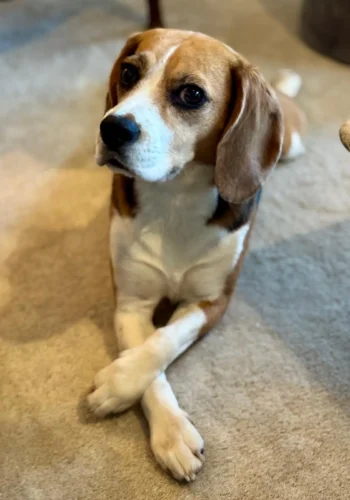
In sport and working animals (racehorses, sports or working dogs): to prepare their bodies and improve performance beforehand, as well as promote recovery after physical effort.
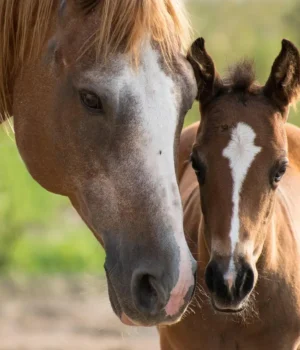
In puppies, kittens, or foals: especially after a difficult birth, or simply to support them during this high-growth life stage where the body is highly demanded, helping to promote harmonious development.
In breeding females: in the presence of absent or irregular heat cycles, as well as during difficult births.
How an osteopathic consultation works?
A session typically lasts between 45 minutes and an hour and consists of 4 main steps:
Medical history gathering
Inform the osteopath of any recent changes in your animal’s health or behavior, or any previous reactions to similar manipulations.


Remote observation
Assessing general posture, limb symmetry, and movement to evaluate gait fluidity and neurological coordination.
Osteopathic examination
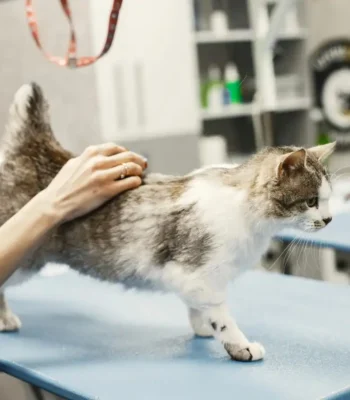
To assess musculoskeletal and visceral dysfunctions, particularly focusing on areas of tension or restricted mobility.


Osteopathic treatment
To restore mobility to tissues and organs, allowing them to function properly.
Osteopathic techniques used
Musculoskeletal: rapid, low-amplitude manipulations aimed at restoring joint mobility.
Myofascial: manual work on muscle fascia to reduce tension and improve tissue mobility.
Cranial and PRM: a gentle manual approach aimed at influencing the mobility of cranial and sacral structures, relying on the Primary Respiratory Mechanism (PRM)—a physiological rhythm perceived in tissues and cerebrospinal fluid.
Visceral: mobilization of internal organs to improve their mobility and their mechanical relationships.
Energetic: a gentle osteopathic approach aimed at rebalancing bodily tensions by regulating energy flow through the tissues.
As a complement to the session, a strip of kinesio tape can be applied to extend the effects of the osteopathy session.
How to prepare for your animal's osteopathic consultation?
Preparing for an osteopathic session can enhance treatment efficacy and ensure a positive experience for your pet. It also allows the osteopath to work more efficiently and provide care tailored to your animal’s specific needs.
Before the consultation
Medical history: prepare a list of your animal’s medical history, including recent and ongoing treatments, as well as any pre-existing health conditions.
Symptom observation: note the frequency and intensity of your animal’s symptoms, and take a video if possible (especially in cases of intermittent symptoms).
On the day of the consultation
Feeding: avoid feeding your animal right before the session. It is best to feed them at least two hours beforehand to prevent digestive discomfort during manipulation.
Walk and bathroom break: For dogs, take a short walk before the session so they can relax and relieve themselves. This helps reduce stress and discomfort during manipulation.
Peace and quiet: limit interactions with other animals that might agitate yours, and try to maintain a calming environment before the session. Avoid stressful activities for your animal—and for yourself too! If your animal senses you are stressed, they will be too.
Keep the osteopath informed: share any recent changes in your animal’s health, behavior, or previous reactions to physical manipulation.
Post-consultation guidelines
- Immediately after: taking a few precautions after a session is crucial to maximize the benefits of the treatment:
Rest and quiet: let your animal rest in a calm and peaceful environment. Avoid intense physical activities, such as running or jumping, for at least 48 hours.
Hydratation: ensure your animal has access to plenty of fresh water.
Please note: It is common for your animal to feel tired, experience a temporary loss of appetite, and/or have loose stools. These are normal and frequent symptoms that should resolve within 48 hours.
- The following days: gradually resume normal activities with your animal, slowly increasing the intensity and duration of exercise.
Frequently asked questions about osteopathy
Before scheduling a consultation, it is natural to have questions. Let’s look at the most common ones!
Which animals can benefit from osteopathy sessions?
All animals – including dogs, cats, horses, rabbits, cows, pigs, and more—can benefit from osteopathic care.
Is osteopathy painful for my animal?
This is one of the most common questions, and a very legitimate one! Just like humans, animals can experience slight discomfort during an osteopathic consultation. But no, osteopathy is a gentle manual therapy aimed at softly mobilizing structures (joints, muscles, and organs) to restore their mobility and improve their overall function.
How many consultations are necessary?
It is important to note that an osteopathy session will not permanently cure an animal suffering from a chronic illness. Instead, it serves as a supportive care measure designed to enhance the animal’s overall well-being. The recommended number of sessions varies depending on the animal’s age, general health, and specific medical conditions. It is therefore important to work alongside your primary veterinarian to ensure an integrated approach to their care.
For animals without specific health conditions (Preventative Care): 1 to 2 sessions per year are generally sufficient to maintain their overall well-being and prevent the onset of disorders.
For animals with chronic conditions (osteoarthritis, back issues, etc.): A more intensive follow-up is required initially, with several closely spaced sessions (for example, once a month) until their condition improves. Once stabilized, maintenance sessions every 3 to 6 months are recommended to prevent relapses.
For sport or working dogs: Regular sessions can help optimize their performance and promote recovery. This can range from 3 to 4 sessions per year, or more depending on the intensity of their activity.
For puppies and kittens: Especially those of large breeds undergoing rapid growth, regular sessions—for example, every 4 to 6 months—can help monitor and correct any structural imbalances.
Note: This frequency is provided as a general guideline and will be adjusted based on your animal’s individual response to the treatment.
Are there any complementary treatments recommended alongside osteopathy?
Rehabilitation (physical therapy) is very often complementary to osteopathy: it helps stabilize over time the balance that osteopathy has just restored.
It is also essential that your animal receives a balanced diet in appropriate quantities. This is particularly crucial in cases of musculoskeletal disorders, ensuring the animal maintains its ideal weight and avoids putting unnecessary strain on its joints.
Can osteopathy replace traditional veterinary treatments?
Osteopathy can sometimes help reduce the use of medication, reserving it for acute flare-ups. However, osteopathy is intended to complement traditional veterinary medicine, enhancing overall care, and is not meant to act as a substitute for it.
Are there any contraindications to practicing osteopathy?
Yes, in certain cases, osteopathy may not be recommended:
Recent fractures, open wounds, or hemorrhages (bleeding): It is advisable to wait until these issues are fully resolved before scheduling an osteopathic consultation.
Late pregnancy: Osteopathic manipulations may be contraindicated in females in advanced stages of pregnancy, due to potential risks to both the mother and the fetuses.
Therefore, always remember to provide detailed information about your animal’s medical history!
Contact form
If you have any other questions about osteopathy for your animal or would like more information before booking an appointment, please feel free to contact me. I will do my best to get back to you as soon as possible.